
2026-09-29
An outdoor menu board that fades from deep red to pink in a single summer is usually not an ink problem. It is a film problem. The laminate sitting on top of the print is the only barrier between ultraviolet radiation and the pigment underneath, and a plain clear film with no UV function lets most of that radiation pass straight through to the ink layer.
Here is the conclusion first: anti-UV laminating film is a laminating film whose base layer, adhesive layer or surface coating contains UV absorbers or UV-blocking minerals, so that a defined portion of ultraviolet radiation never reaches the printed surface.カートンに印刷された「UV」という言葉ではなく、スペクトルデータ、記載された耐候性試験方法、および測定可能な光学特性の保持に基づいて売買されるべきです。
以下のセクションでは、そのようなフィルムが実際に何をブロックするのか、構造にどのように保護が組み込まれているのか、発注書にどの番号が含まれているのか、実際の調達リスクがどこにあるのかについて説明します。
紫外線範囲はおよそ 100 nm から 400 nm であり、太陽光が地面に到達すると、その中の 3 つのバンドはまったく異なる動作をします。
この分割は商業的な影響を及ぼします。 A film that only trims UV-B can honestly carry a "blocks UV" claim and still do very little for a window display that receives direct sun for six hours a day. When a buyer asks what an anti-UV laminating film does, the useful answer is a number attached to a wavelength window, usually expressed as the percentage of transmission reduction across 315-400 nm.
There are three practical ways to build UV resistance into a laminating film, and most commercial products combine at least two of them.
トレードオフはコストだけではありません。 Raising absorber loading increases the risk of initial yellowing, and loading it into a layer that is too thin simply wastes chemistry.そのため、フィルムの厚さと接着剤のコート重量は UV の要求と切り離すことができず、この関係についてはこのノートで検討されています。 実際に制御する膜厚は何ですか .
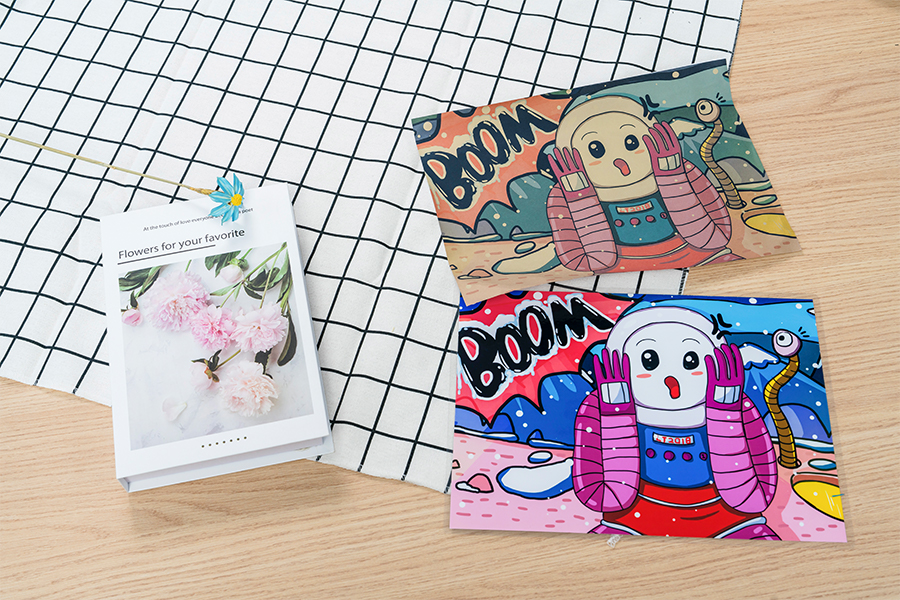 紫外線防止ラミネートフィルム 耐紫外線ラミネートフィルムは屋外用の機能性バリアフィルムです。 Made with high-performance PET film and functional modified EVA, it offers great mechanical stren... 製品を見る→
2層でUV保護を備えた機能性ラミネートフィルムスタックの分解図
In a thermal roll film, the EVA adhesive layer melts and bonds under heat, so the absorber is normally compounded into that adhesive. In a cold roll film, bonding relies on pressure-sensitive chemistry, and the UV function is more often placed in a top coating or in the base film itself. The practical difference for a converter is that thermal grades are more sensitive to press temperature and dwell time, while cold grades are more sensitive to storage conditions and shelf life.
 サーマルラミネートロールフィルムのサプライヤー フレキシブルラミネートロールフィルム 製品を見る→
Vague language is the single largest source of disputes on UV-protective film.要件を測定可能な項目として記述し、それをどのようにテストするかを事前に合意します。
| 仕様 | なぜそれが重要なのか | それをどう述べるか |
|---|---|---|
| UVカット窓 | UV-A がカバーされるか、UV-B のみがカバーされるかを決定します | 指定されたロットの分光光度計で測定した場合、315 ~ 400 nm で透過率が少なくとも 90% 減少 |
| 総厚さ | Controls stiffness, feedability and edge quality in the laminator | Nominal micron value with a stated tolerance, for example /- 5 percent |
| 接着剤コート量 | Governs bond strength and how much absorber the layer can carry | Grams per square metre, with a tolerance band and a test method |
| 曇りと光沢 | ブランドが求めるマットまたはセミマットな外観と透明性のバランスをとります。 | ヘイズ率と光沢単位は 60 度で測定 |
| 加速老化法 | アウトドアライフに関する主張をサプライヤー間で比較できるようにする | ISO 4892-2 xenon-arc or ASTM G154 fluorescent UV, with exposure hours stated |
| 染色堅牢度の目標 | Connects film performance to the printed result the client sees | ISO 105-B02 に基づくブルー ウール グレード、たとえばグレード 6 以上 |
| ロール形式 | 機械の給紙ミスや無駄なセットアップを回避します | Width, core inner diameter, winding direction and slit tolerance |
| 保管と保存期間 | Absorbers and pressure-sensitive adhesives both age in storage | 温度範囲、湿度制限、製造日からの使用期限 |
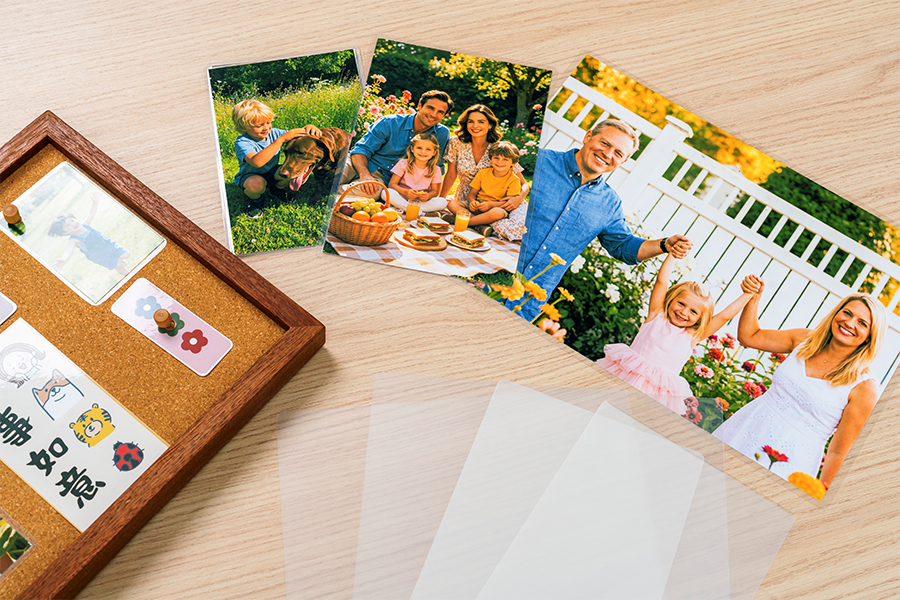 ラミネートフィルムのサプライヤー 光沢ラミネートフィルム 製品を見る→
答えは簡単です。印刷物が日光の下で何ヶ月も過ごす場合、再印刷にはフィルム自体よりもはるかに高い費用がかかります。
It is usually overkill for short-life indoor labels, packaging discarded within weeks, or jobs already protected by a UV-stable ink system inside an opaque box.
購入者が最も頻繁に比較する属性にわたる 3 つのフィルム構造の相対的な位置付け
最も一般的な失敗は、悪い映画ではありません。 It is a film that was never specified, so nobody can prove what it does.
A practical screening routine is short: request the curve, retain a sample from each delivered batch, and run your own accelerated aging test on a printed sheet rather than on blank film.完成したプリントはクライアントが目にするものであり、それが本当の質問に答える唯一のサンプルです。独自の管理を行うサプライヤーと協力する 押出コーティングライン 取引チェーンを通じて交渉するのではなく、コーティング段階でプロセス調整を行うことができるため、そのループが短縮されます。
It is used wherever a printed surface stays in daylight for months: outdoor signage, garden and agricultural labels, window decals, display packaging and long-life documents.このフィルムはインク層に到達する紫外線を低減し、色褪せや表面劣化を遅らせます。
いいえ。可視光、熱、湿度も色の変化に寄与するため、色あせをなくすのではなく遅らせます。現実的な目標は、屋外での寿命を測定可能な範囲で延長することであり、無制限の約束ではなく加速老化試験を通じて検証されます。
厚さは、まず素材と機械に合わせて選択され、次に UV 機能に合わせて選択されます。約 25 ~ 35 ミクロンの薄いフィルムはフレキシブルな文書やコールド ラミネートに適していますが、硬い看板には 75 ~ 125 ミクロンが一般的です。吸収体がその役割を果たすのに十分な厚さの層で担持されていることをサプライヤーに確認してください。
はい、グレードが熱接着用に製造されている場合に限ります。サーマル UV フィルムは吸収剤を配合した EVA 接着剤を使用しているため、ローラーの温度と滞留時間の影響を受けやすくなります。推奨ウィンドウの外側で実行すると、結合と UV 層の両方が弱まります。
特定の製造ロットで測定された、280 ~ 400 nm をカバーする分光光度計の透過率曲線をリクエストしてください。次に、加速劣化方法 (通常は ISO 4892-2 または ASTM G154) と、屋外寿命の謳い文句の裏に記載されている暴露時間を確認します。
できる。ナノ酸化亜鉛などの無機ブロッカーはヘイズをわずかに上昇させる可能性があり、有機物を大量に配合すると温かみのある色合いが追加されることがあります。 If appearance is critical, request a laminated sample of your own print before approving the batch, and compare it under both daylight and interior lighting.